
Radio World have posted an article on their website blog about radio scanning in the UK:
Can You Still Use a Radio Scanner in the UK?
If you are asking can you still use a radio scanner in the UK, the short answer is yes. Radio scanners are still legal to own and use, and there is still plenty to listen to. The part that causes confusion is not ownership, but what you are allowed to monitor, what you are allowed to do with what you hear, and how modern radio systems have changed what is practically receivable.
For scanner users in the UK, the conversation is now as much about technology as it is about law. Older assumptions from the days of open analogue traffic no longer apply across large parts of the spectrum. That means anyone buying or using a scanner today needs a realistic view of what equipment can do, where the legal boundaries sit, and which services are still worth monitoring.
Can you still use a radio scanner in the UK legally?
Yes, in general you can still use a radio scanner in the UK. It is legal to buy one, own one and use one for lawful monitoring. Many hobbyists use scanners to listen to permitted radio traffic such as amateur radio activity, marine channels, airband communications and other non-encrypted transmissions that are openly receivable.
Where people get into difficulty is assuming that if a signal can be received, it is automatically fair game. It is not that simple. UK law places restrictions on the use and disclosure of information obtained from certain wireless telegraphy transmissions. In practical terms, listening for personal interest is one thing. Passing on what you hear, recording sensitive traffic for wider use, or using intercepted information in a way that causes harm is another matter entirely.
This is why scanner use should always be approached with care and common sense. A scanner is a receiving tool, not a licence to monitor private or protected communications without thought to the rules that apply.
What has changed for scanner users?
The biggest change is the move from analogue voice traffic to digital and, in many cases, encrypted systems. Years ago, scanner listeners could monitor a much wider range of services with fairly modest equipment. Today, many public safety and commercial users rely on digital networks designed for operational security, reliability and efficient spectrum use.
That has reduced the amount of straightforward listening available on a basic scanner. It has not made scanners obsolete, but it has changed what buyers should expect. If you are returning to the hobby after a long break, this is usually the point that catches people out.
A modern scanner may still cover a wide frequency range and offer advanced scanning features, but it cannot simply bypass encryption. If a service is encrypted, that traffic is effectively closed to normal monitoring. No reputable specialist should suggest otherwise.
Analogue, digital and encrypted signals
Analogue signals are the easiest for traditional scanners to receive, provided they fall within the scanner's tuning range and mode support. This is where many classic scanner uses still sit, including parts of airband, marine and amateur activity.
Digital is more complicated. Some scanners can decode specific digital voice formats, but support varies by model and by system type. Even where a scanner supports a digital mode, real-world monitoring depends on how the network is configured.
Encrypted traffic is the hard stop. If a signal is encrypted, a scanner will not lawfully turn it into intelligible audio. For many users, that is the key distinction between what is technically receivable and what is actually usable.
What can you still listen to?
For most UK scanner users, the most dependable listening remains airband, marine VHF, amateur radio and selected business or local services that still operate in compatible clear modes. These areas continue to attract hobbyists because they offer active traffic, useful technical variety and a legitimate listening experience.
Airband remains especially popular. If you are near an airport or flight path, there is often regular activity and a clear reason to invest in suitable equipment and antenna setup. Marine monitoring is also worthwhile in coastal areas, around harbours and inland waterways where relevant traffic is present.
Amateur radio is another strong area for scanner owners. It offers a mix of local and wider communication, and because it sits within an established radio community, it often appeals to technically minded listeners who may later move into transmitting under licence.
Some local business traffic may still be heard, but this is where expectations need to be managed. Much of what was once easy to monitor has either moved, changed format or disappeared from basic consumer scanner coverage.
What can you not rely on hearing?
Police communications are the first thing many newcomers ask about, and this is where old myths persist. In practical terms, you should not expect to monitor UK police traffic with a scanner. The same applies to many other emergency service and critical operational communications that now sit on secure digital systems.
This is not just a question of scanner specification. It reflects the way those networks are built and managed. Buying a scanner on the assumption that it will provide routine access to emergency service communications is unrealistic and will usually lead to disappointment.
The same caution applies to any protected, private or encrypted traffic. A good scanner can receive a great deal, but it is not a magic key to every signal on the band.
Choosing the right scanner now
If you are considering a purchase, the right question is not simply can you still use a radio scanner in the UK, but what do you want to listen to and what sort of environment are you in. A buyer near an airport has very different needs from someone interested in marine channels on the south coast or amateur activity in a built-up area.
Coverage, mode support, memory management, search functions and antenna options all matter. So does ease of use. Some scanners suit casual listening, while others are better for users who want more control over programming and frequency management.
It is also worth thinking beyond the handset itself. Antenna choice can make a major difference to performance. A capable scanner with a poor antenna setup may underperform, while a well-matched external antenna can transform results in the right location. This is one reason specialist advice matters. The radio is only part of the system.
Base, handheld and mobile use
A handheld scanner is often the simplest entry point. It is flexible, portable and well suited to general listening at home or on the move. For many users, that is enough.
A base scanner makes more sense where the radio will stay in one location and be paired with a better antenna. If your aim is dependable monitoring from home, this can be the stronger option.
Mobile installation has its place too, particularly for users travelling regularly through areas with active airband or other receivable services. As with any vehicle-based setup, installation quality and antenna placement matter just as much as the radio itself.
The legal and practical limits matter
Using a scanner responsibly means understanding that legality is not only about pressing the scan button. It also concerns how monitored information is treated. Even where reception is possible, sharing sensitive details, rebroadcasting content or using intercepted information improperly can create serious problems.
That is why experienced users tend to focus on legitimate listening interests rather than chasing restricted traffic. It is a better use of time, it avoids unrealistic expectations, and it keeps the hobby on solid ground.
For buyers, the practical message is straightforward. A scanner is still a useful and enjoyable piece of radio equipment in the UK, but it needs to be chosen for the right application. The days of assuming one box will hear everything are gone.
Is a scanner still worth buying?
For the right user, yes. If you have a genuine interest in radio activity, want to monitor airband, marine or amateur traffic, or simply enjoy the technical side of spectrum listening, a scanner still has real value. It remains a specialist tool with a clear role.
What matters is buying with a proper understanding of current radio use in the UK. That means matching the equipment to the services you can realistically receive, choosing suitable accessories, and getting support from a supplier that understands radio systems rather than treating scanners as generic electronics. That is where a specialist such as Radioworld UK adds value beyond the initial sale.
A well-chosen scanner can still provide hours of worthwhile listening, but the best results come from informed expectations, sound setup choices and a clear respect for the limits that now define modern monitoring.
Source:
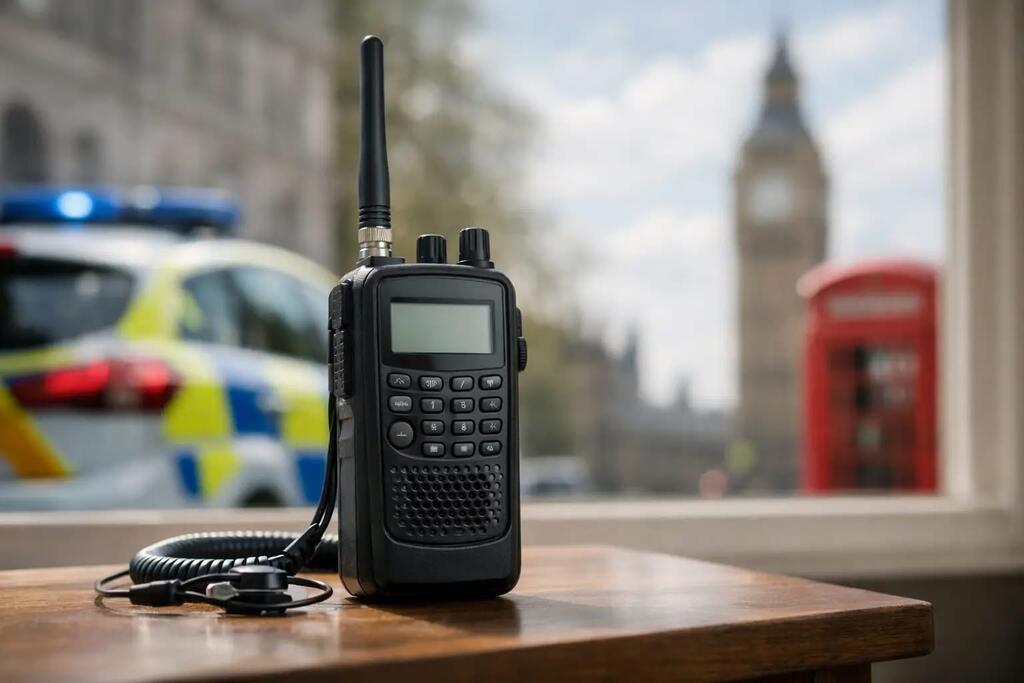
Can You Still Use a Radio Scanner in the UK? | UK Scanner Laws Explained
Can you still legally use a radio scanner in the UK? Learn what frequencies you can listen to, UK laws, airband scanning, and what’s changed.www.radioworld.co.uk